On the map it looks like a long blue line. On site it feels much larger. Koronowo Reservoir opens wide, then narrows, then disappears behind a wall of trees before spreading out again. It does not take long to understand why people return here and why the reservoir has become one of the most recognisable features of the Koronowo area.
Between a dam and a glacial valley
The reservoir in its current form was created in the 1960s when the Brda River was dammed. That was an engineering project, but its effects reached far beyond the dam itself. Existing lakes, channels, bays and tributary sections were absorbed into one larger body of water. After decades within the landscape, the reservoir now feels less like infrastructure and more like a permanent part of the region.
The numbers help. About 36 kilometres long, roughly 1,600 hectares of water, around 81 million cubic metres of capacity and more than 20 metres deep in some places. This is not the kind of small reservoir you understand from one viewpoint or one beach. Hydrology research also shows that its impact pushed well beyond the shoreline.
Why this water body works so well for recreation
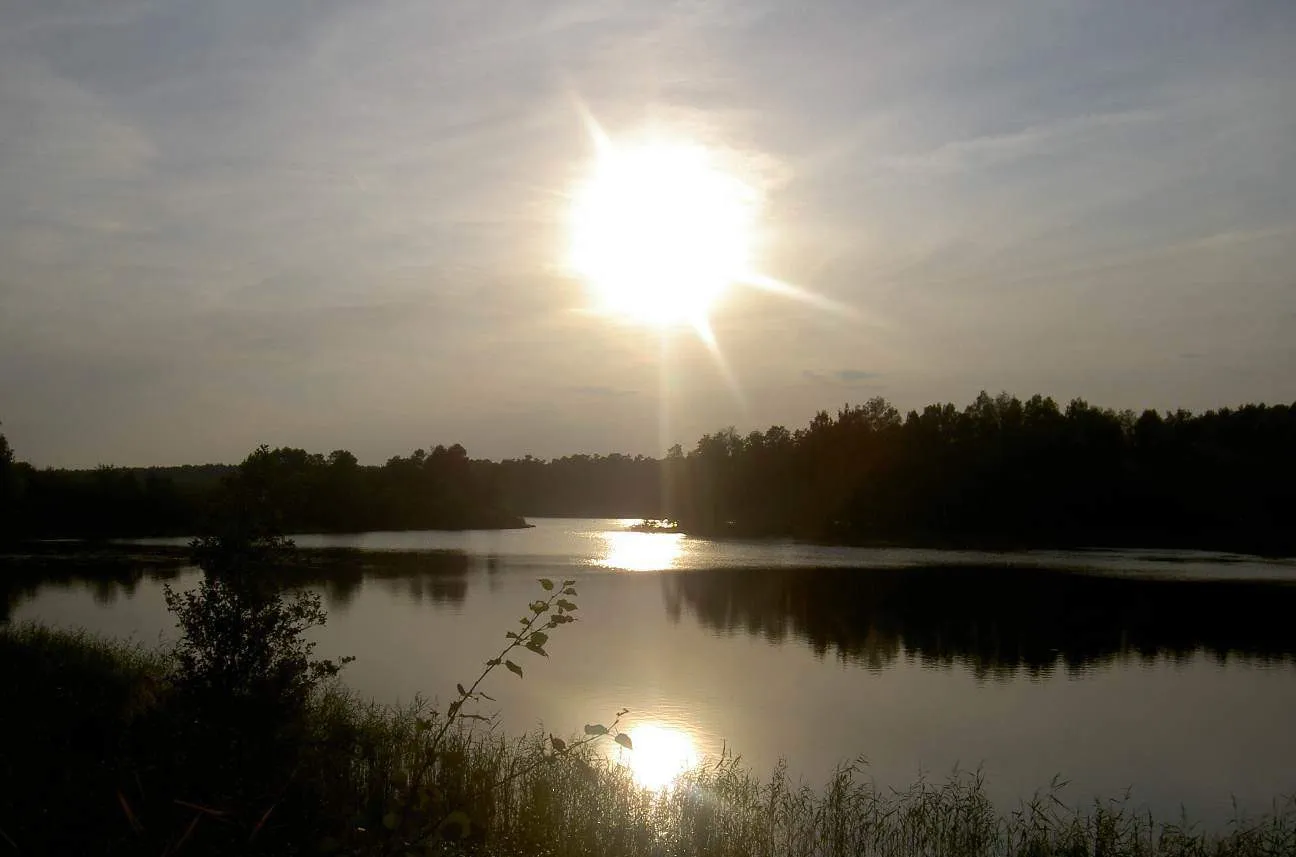
Still, numbers tell only part of the story. What matters just as much is the way the place is arranged in the landscape. A long shoreline, forest reaching almost to the water, glacial landforms, side bays, narrow sections and wider openings all shape the experience. Even in summer the reservoir usually keeps a sense of space. Move a little away from the main beach or the busiest access point and the pace changes almost immediately.
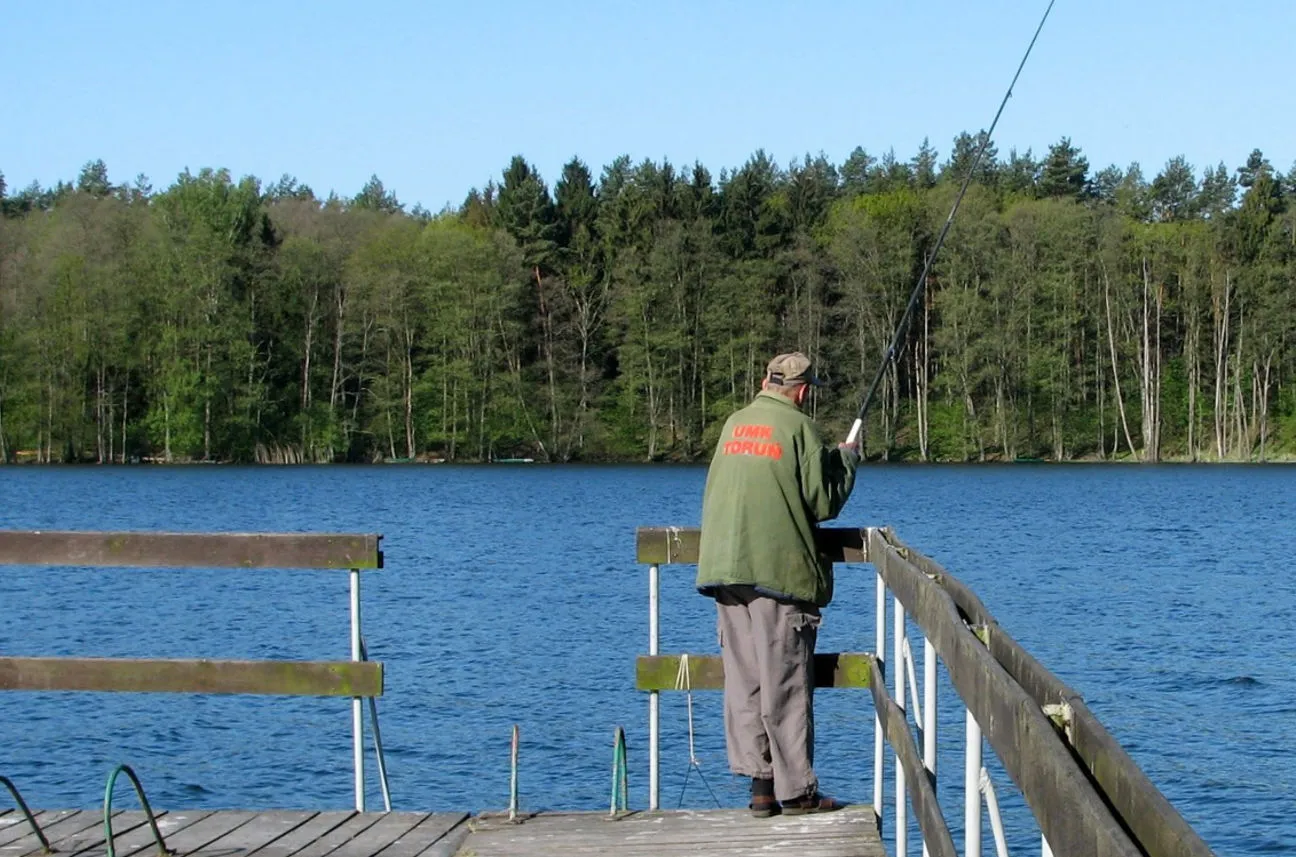
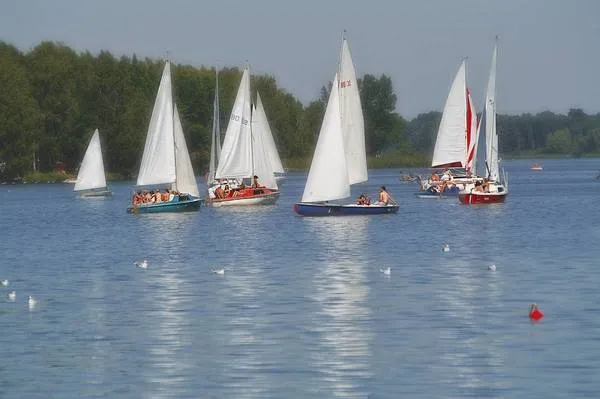
That is why very different kinds of visits work here. Some people come for sailing, some for a kayak day, some for fishing, and some simply for a bench with a view of the water. The reservoir does not force everyone into one model of spending time. That remains one of its strongest qualities.
The best places to begin
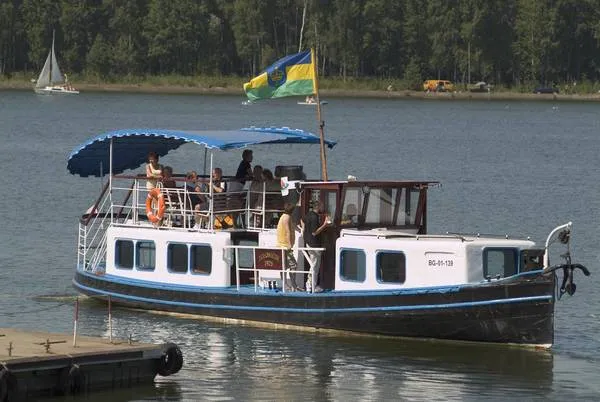
For a first visit it helps to think of the reservoir as a set of entry points rather than one single destination. Pieczyska works well if you want the classic summer face of the area: beach, facilities and an open view of the water. Samociążek is calmer and more side-on, with the hydro plant story and quieter waters nearby. Sokole Kuźnica and the ferry area show the longer, more scenic stretch. Wielonek and the northern sections lean harder into the mood of the Tuchola Forest.
The best advice is simple: do not try to see the whole reservoir in one day. It works better in stages. One bay, one walk, one marina, then the next. That slower way of getting to know the place makes it clear that Koronowo Reservoir is not a single attraction, but an entire system of water, forest and waterside settlements.