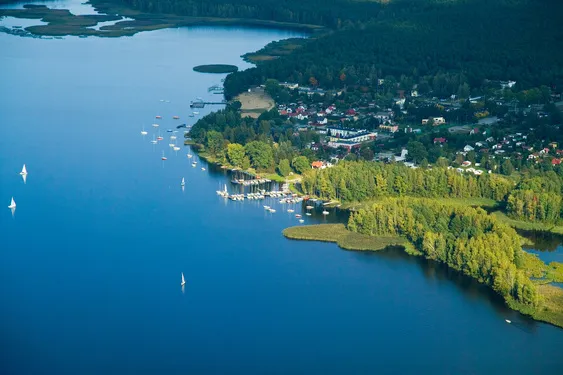
 Zalew Koronowski
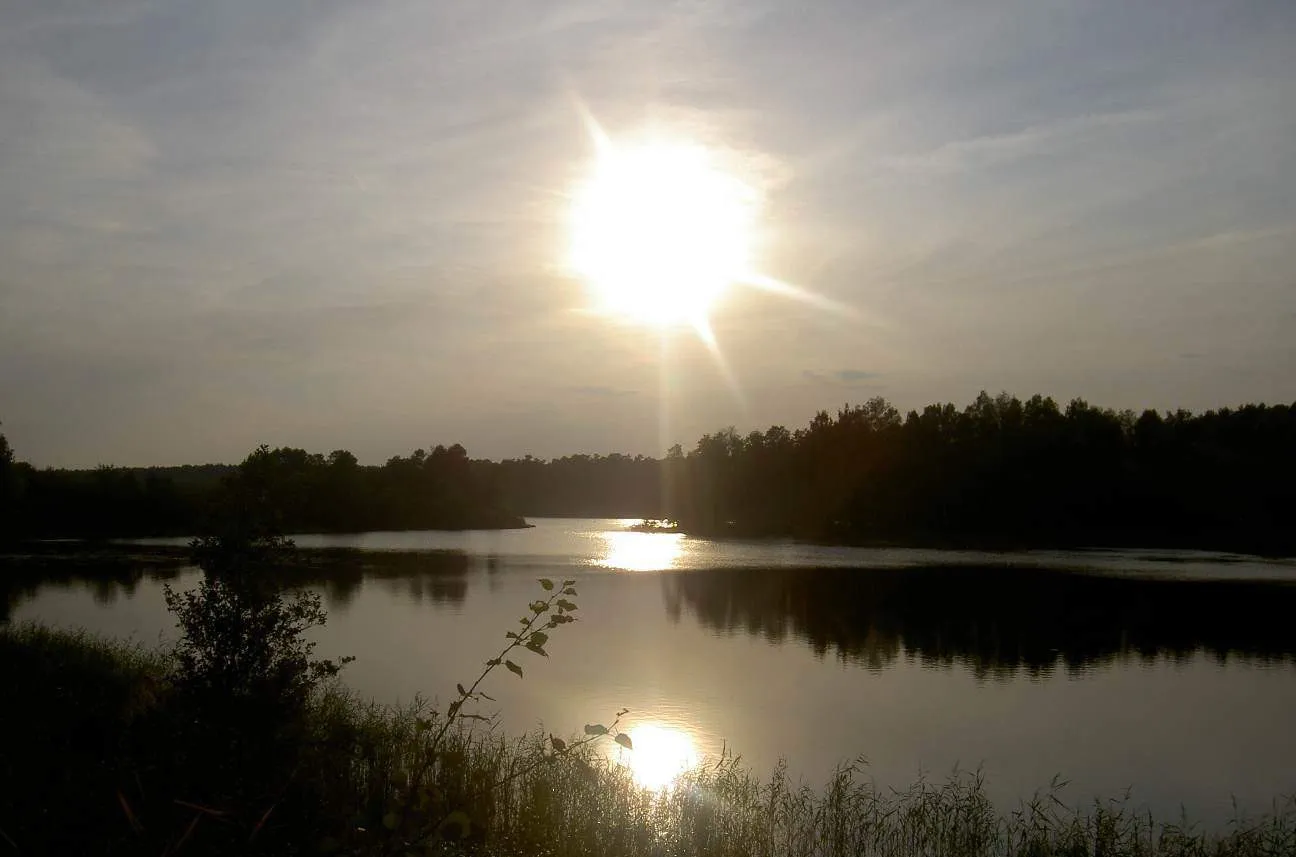
Between the forest
and the basin
Location, origin and environmental transformation of Koronowo Reservoir.
Koronowo Reservoir in numbers
A reservoir lake on the Brda River, on the southern edge of the Tuchola Forest and surrounded by woods.
- 36 km long
- around 1,600 hectares
- 81 million m³ capacity
- more than 20 m deep
How the reservoir was created
The southern natural boundary of the Tuchola Forest is formed by Koronowo Reservoir, also called Lake Koronowo. It took its name from the nearby town of Koronowo.
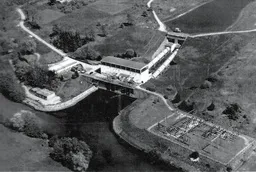
The idea of building dams on the Brda River emerged in the 1920s. The project was designed by Professor Karol Pomianowski. Pre-war plans included the main dam and other works in the Brda valley, among them near Kręgiel.
A final decision to build the dam was made in 1953. The investment was completed in 1960, and the hydroelectric plant was launched in March 1961.
How the reservoir took on the features of a lake
Filling the reservoir triggered a series of environmental changes. A new shoreline formed, landslides appeared and wetland areas expanded.
Over the following years, the shore became shallower and more overgrown, and the reservoir gradually gained many of the features of a natural lake.
The reservoir is surrounded by mixed forests dominated by pine and birch. Sailors, anglers and kayakers soon started using it.